
Top Tax Deductions for Freelancers and Contractors
Freelancers and contractors in Australia can reduce their tax liabilities by leveraging various deductions, such as home office expenses, work-related travel, and professional development costs. Strategic tax planning, proper record-keeping, and using cloud accounting tools can help manage fluctuating incomes and ensure compliance with ATO regulations. Maximising deductions and consulting with tax agents can significantly improve financial health and reduce taxable income.
Written by: Brendan Thorp, CPA | Fact Checked by: Daniel Heness, CPA
Freelancers and contractors in Australia have the unique opportunity to reduce their tax burdens by understanding and applying various tax deductions available to them. However, managing taxes can often feel overwhelming due to fluctuating income, multiple clients, and a variety of expenses. But with the right knowledge and tools, freelancers can reduce their taxable income, maximise their savings, and improve their financial health.
Throughout my years of experience working with freelancers in Melbourne, I’ve seen first-hand how strategic tax planning and knowledge of deductions can make a significant difference. In this article, we’ll explore the most common and effective tax deductions available to freelancers and contractors, from home office expenses to vehicle and travel costs, and show you how to stay compliant with Australian Taxation Office (ATO) regulations.
Why Tax Deductions Matter for Freelancers
How Deductions Reduce Your Taxable Income
One of the key benefits of tax deductions for freelancers is that they allow you to reduce your taxable income. This means you only pay tax on your earnings after subtracting your allowable business expenses. The more legitimate business costs you can claim, the less tax you will pay.
For instance, if you are a freelance writer based in Sydney working from a dedicated home office, you can claim a portion of your rent, utilities, and internet costs. By keeping accurate records and claiming the right deductions, freelancers can lower their taxable income and ultimately pay less tax.
The Financial Benefits of Proper Tax Planning
Effective tax planning goes beyond just reducing tax liability; it’s about creating a strategy that helps freelancers maximise their profitability and achieve long-term financial stability. Proper planning allows you to:
- Maximise allowable deductions.
- Improve cash flow by accurately forecasting expenses.
- Ensure timely BAS lodgements and avoid penalties.
When tax planning is approached correctly, it gives you better control over your business finances, improves your cash flow, and allows you to plan for future growth. It’s not just about saving money in the short term—it’s about setting your business up for success in the long run.
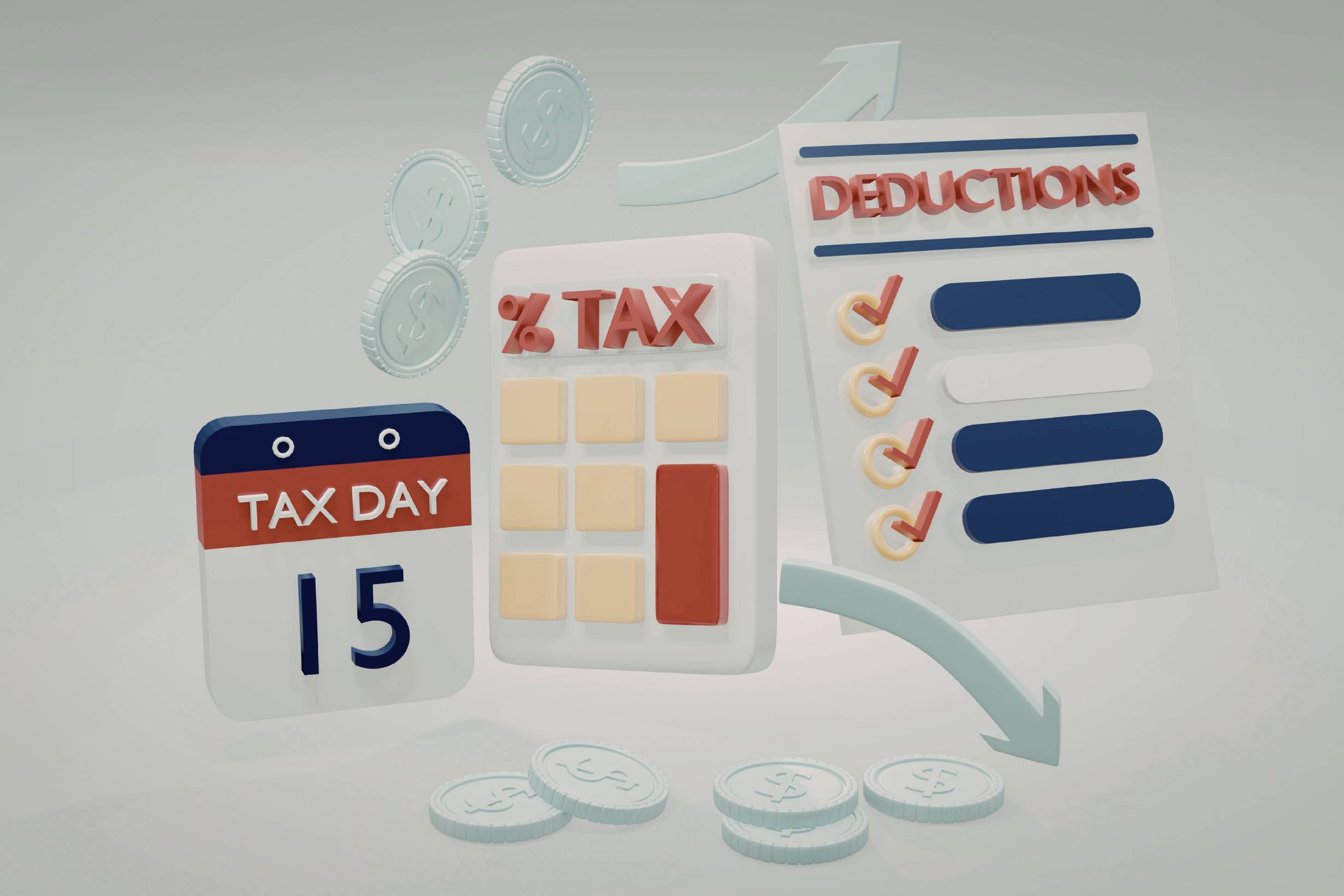
Common Tax Challenges Faced by Freelancers and Contractors
Irregular Income and Multiple Income Streams
Freelancers often work with multiple clients or projects, which means their income may not be steady. The lack of a regular paycheck can make budgeting and tax planning more difficult, especially when it comes to predicting how much tax will be due at the end of the financial year.
In my experience, freelancers often underestimate the impact of multiple income streams on their tax planning. Tracking different sources of income and ensuring that they are all reported accurately is essential for avoiding tax mistakes.
Responsibility for GST and PAYG Obligations
Unlike regular employees, freelancers are responsible for managing their own tax obligations, including paying GST (Goods and Services Tax) and PAYG (Pay As You Go) tax. This can be especially tricky if your income fluctuates, making it harder to calculate how much to set aside for tax.
By keeping detailed records of your earnings and expenses and using the right tools for tracking your GST obligations, you can ensure that you meet your responsibilities without overpaying.
Tracking Multiple Expenses and Sources of Income
Another major challenge is keeping track of various expenses related to running a freelance business. From client meals to office supplies, the costs can add up quickly, and keeping track of all these expenses for tax purposes can be overwhelming.
It’s important to stay organised by using cloud accounting tools that can automatically track your income and expenses, making the tax process much smoother. This also ensures that you claim every eligible deduction, ensuring you don’t miss out on potential savings.
Top Tax Deductions for Freelancers and Contractors in Australia
Below is a detailed look at the top tax deductions available to freelancers and contractors in Australia.
1. Home Office Expenses
Freelancers who work from home can claim a variety of expenses related to maintaining their workspace. Here’s a breakdown of what can be claimed:
- Utilities: A proportion of electricity, heating, and cooling costs, based on the percentage of your home used for work.
- Internet and Phone: Work-related portions of your internet and phone bills.
- Office Furniture and Equipment: Desks, chairs, filing cabinets, and ergonomic accessories.
- Cleaning and Maintenance: Costs related to keeping your home office tidy and functional.
Simplified Method for Deductions
If you’re looking for a simpler way to claim your home office expenses, the ATO offers a shortcut method. You can claim 67 cents per hour worked from home, which includes all utilities, phone, and internet. To use this method, you must maintain a record of your hours worked from home.
2. Work-Related Travel and Vehicle Expenses
If your freelance work requires you to travel for meetings, conferences, or to visit clients, these expenses can be claimed as tax deductions.
- Travel Expenses: Airfares, accommodation, meals, and incidentals for business-related travel.
- Vehicle Expenses: Costs for running a vehicle that is used for business, such as fuel, maintenance, depreciation, tolls, and parking.
Logbook Requirement
If you use your vehicle for business purposes, you must keep a logbook to track the percentage of time it’s used for work. This record is essential for accurately claiming vehicle-related expenses.
| Vehicle Expense | Example Deduction |
| Fuel | Costs of fuel used for business trips |
| Maintenance | Car repairs and servicing |
| Depreciation | Reduction in the car’s value over time due to wear and tear |
| Tolls & Parking | Tolls and parking fees related to business trips |
3. Tools, Equipment, and Software
As a freelancer, you may need to invest in various tools, equipment, and software to perform your work. These expenses are also tax-deductible.
- Laptops, Tablets, and Smartphones: Devices used primarily for business purposes.
- Printers and Scanners: Essential equipment for managing documents.
- Software Subscriptions: Cloud accounting software (Xero, MYOB) or creative tools like Adobe Creative Cloud.
Immediate Write-Off for Small Purchases
If the cost of an item is less than $300, you can immediately deduct the full cost of the purchase in the year it’s acquired. For more expensive items, you will need to claim depreciation.
4. Professional Development and Memberships
Investing in your own professional development is not only beneficial for your career but also tax-deductible.
- Courses and Workshops: Industry-specific training or learning resources.
- Professional Associations: Membership fees for organisations relevant to your work.
By attending workshops or completing relevant courses, you not only enhance your skills but also save on your taxes.
5. Insurance and Financial Services
Freelancers are responsible for managing their own insurance and financial services. These costs can also be deducted:
- Public Liability Insurance: Protection in case of a claim from a third party.
- Professional Indemnity Insurance: Covers legal costs if your work leads to client losses.
- Tax Agent Fees: The cost of engaging a tax agent for professional tax services.
6. Marketing and Advertising
Marketing your freelance business can help attract more clients, and the costs associated with it are deductible:
- Website Costs: Domain registration, hosting, and design services.
- Digital Advertising: Paid ads on social media or Google Ads.
- Printed Materials: Flyers, brochures, business cards, and any other promotional material.
7. GST Compliance and BAS Lodgement
Freelancers registered for GST can claim deductions for business-related expenses that include GST. To remain compliant:
- Track GST Obligations: Use cloud accounting tools to automatically calculate GST.
- BAS Lodgement: Ensure you lodge your BAS (Business Activity Statement) on time to avoid penalties.
- GST on Purchases: Deduct GST paid on work-related purchases.
8. Superannuation Contributions
Freelancers can also contribute to their superannuation fund and claim those contributions as tax deductions. This not only reduces taxable income but also ensures you’re preparing for retirement.
9. Depreciation of Assets
If you’ve purchased high-value assets for your freelance business, such as a computer, vehicle, or office equipment, you can claim depreciation on these assets. You can either depreciate them over several years or apply the Instant Asset Write-Off for assets purchased under a certain threshold.
| Asset Type | Example Deduction |
| Computers and Devices | Depreciation on computers used for work |
| Office Furniture | Depreciation on desks, chairs, etc. |
| Vehicles | Depreciation on cars used for work |
10. Tax Agent Fees and Professional Services
The cost of hiring professionals to help with your tax preparation is tax-deductible. These services may include:
- Tax Planning: Developing strategies to reduce your tax liability.
- BAS Lodgement: Professional assistance in submitting your BAS.
- Business Advisory: Financial advice to help your business grow.
11. Utilities and Miscellaneous Expenses
There are also other miscellaneous expenses you can claim, such as:
- Bank Fees: Charges related to your business bank accounts.
- Stationery: Office supplies like pens, notebooks, and paper.
- Postage and Shipping: Costs associated with sending documents or products to clients.
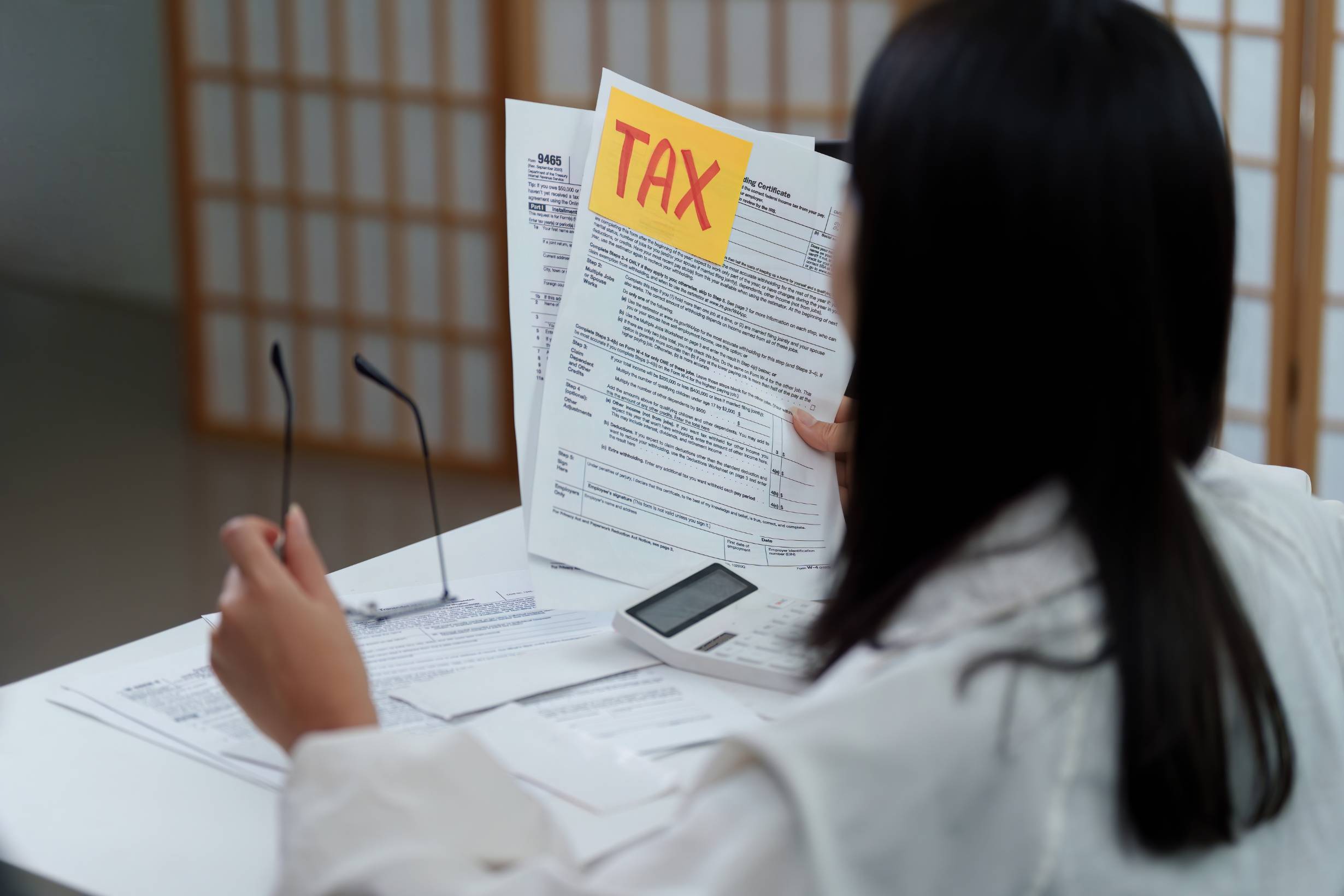
How to Maximise Your Tax Deductions
Maintain Accurate Records
The key to maximising your tax deductions is keeping detailed records. Make use of cloud accounting software to automatically track your income and expenses, which makes the process of preparing for tax time much easier.
Use Professional Bookkeeping Services
Engaging a professional bookkeeper can help ensure that nothing is missed and that your records are compliant with ATO requirements. A professional will also be able to provide insight into further potential deductions you may have missed.
Stay Updated with Tax Laws
Australian tax laws change frequently, and staying updated is critical. Regularly consult with a tax advisor to ensure you’re claiming all eligible deductions and remaining compliant with new regulations.
Common Mistakes to Avoid
1. Not Keeping Receipts
The ATO requires proof for all claims, so make sure you keep every receipt for business-related expenses. This ensures that you’re prepared for an audit if needed.
2. Mixing Personal and Business Expenses
It’s essential to separate your personal and business expenses. Having a dedicated business bank account makes tax time much easier and ensures your records are clear.
3. Missing Deadlines
Late BAS lodgement or tax payments can result in hefty penalties. Set reminders or use accounting software to ensure that you never miss an important deadline.
The Role of Technology in Tax Preparation
Benefits of Cloud Accounting Tools
Cloud accounting tools have transformed the way freelancers manage their finances. They allow you to track income and expenses in real-time, and many platforms integrate directly with the ATO’s systems, making BAS lodgement easier and more efficient.
Popular Platforms for Freelancers
- Xero Accounting: Ideal for freelancers managing GST and expenses.
- MYOB Accounting: Offers tailored solutions for small businesses and freelancers.
- QuickBooks Accounting: Simplifies financial reporting and cash flow monitoring.
Tax time doesn’t have to be a burden for freelancers and contractors. By understanding the available deductions, maintaining accurate records, and staying up-to-date with changes in tax laws, you can ensure that you pay the least amount of tax possible.
Take advantage of professional services when needed, and streamline your tax processes with cloud accounting tools to keep your business on track financially.


Bookkept offers expert accounting, compliance, and business advisory services to small and medium businesses in Melbourne & Australia-wide, specialising in Xero/MYOB and strategic growth solutions.
Call: (03) 8568 3606
Email: info [@] bookkept.com.au